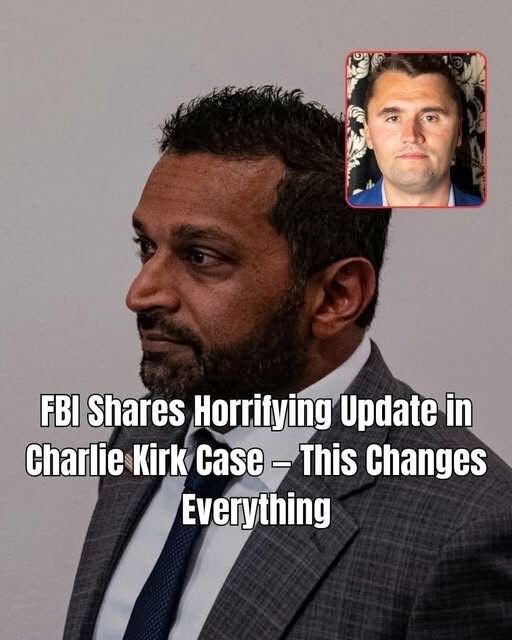
The assassination of Charlie Kirk, founder of Turning Point USA, sent shockwaves across the nation when he was fatally shot during a public speaking event at Utah Valley University on September 10, 2025. The incident was widely reported and marked a tragic escalation of political violence targeting public figures. Authorities swiftly identified Tyler Robinson, a 22-year-old man, as the suspect and charged him with aggravated murder and multiple related offenses. The arrest and formal charges underscored the gravity of the case, which quickly became a focal point for media coverage, political discussion, and nationwide public concern. Public reactions ranged from grief and outrage to debates about security, political rhetoric, and the vulnerability of speakers in highly polarized environments. Memorials and tributes poured in from across the political spectrum, highlighting the personal and professional influence Kirk had during his lifetime, as well as the shock that such violence could occur in an educational setting.
The legal proceedings against Tyler Robinson have drawn considerable attention as courts balance transparency, public safety, and procedural fairness. Robinson appeared initially via video link, followed by in-person hearings, where charges including aggravated murder, felony discharge of a firearm, obstruction of justice, and witness tampering were formally presented. Prosecutors have announced their intention to seek the death penalty, reflecting the severity of the crime. Defense attorneys have raised procedural concerns, including courtroom access for the public and media, as well as questions about Robinson’s mental state. These early proceedings illustrate both the meticulous nature of criminal litigation in high-profile cases and the sensitivity required when public figures and political contexts are involved. The case demonstrates how judicial systems navigate complex legal landscapes while ensuring the rights of both the defendant and society are preserved.
Forensic investigation and evidence collection played a central role in building the case against Robinson. Ballistic analysis confirmed that the firearm used in the shooting was linked directly to him, and investigators recovered physical evidence including fingerprints and DNA associated with the weapon. Prosecutors have presented notes and text messages indicating premeditation, which form part of the evidence supporting the charges. Authorities also conducted extensive witness interviews, gathering testimonies from individuals present at the event as well as from those who knew Robinson personally. These accounts contribute to a clearer understanding of his motives and behavior leading up to the attack, helping establish both intent and capability. While details regarding digital communications and potential external influences remain part of investigative work, official reporting emphasizes that no verified evidence has been publicly disclosed indicating a broader organized network or conspiracy at this time.
The public response to Kirk’s assassination has been profound and deeply emotional. Across social media platforms, news outlets, and community forums, individuals expressed shock, sadness, and calls for greater security measures at public events. Politicians, journalists, and educators engaged in discussions about the risks faced by speakers, particularly in politically charged environments, and the responsibility of institutions to protect individuals while maintaining open forums for speech. The tragedy has also reinvigorated conversations about the influence of rhetoric and the societal climate in which political violence can occur. Debates have ranged from policy considerations, including security protocols and gun control measures, to reflections on the role of media and social discourse in shaping perceptions of risk and accountability. The assassination has become a symbol for the urgent need to address both personal safety and civic responsibility in modern society.
Media coverage of the case has highlighted both the challenges and responsibilities inherent in reporting on politically sensitive violence. Journalists have strived to present verified facts while avoiding speculation that could inflame public tensions or jeopardize legal proceedings. News outlets have reported on the progress of investigations, courtroom proceedings, and public reactions, while emphasizing the importance of accuracy and careful sourcing. The role of social media in shaping narratives around the case has been significant, as unverified claims and speculation have circulated rapidly. News organizations and analysts continue to underscore the necessity of distinguishing between confirmed evidence and conjecture, demonstrating how responsible reporting can influence public understanding and reduce misinformation in high-stakes, politically sensitive contexts.
As the case advances toward trial, scheduled in Utah County in early 2026, authorities and legal professionals continue to prepare by compiling evidence, witness testimony, and expert analysis. The trial is expected to feature detailed presentations on forensic findings, eyewitness accounts, and legal arguments regarding premeditation, intent, and sentencing considerations. Public interest remains high, and security measures for courtroom access and public communications are being carefully managed. The case remains a stark reminder of the intersection between political activity, public engagement, and personal safety. While ongoing investigations and trial proceedings may reveal additional information, the verified facts to date emphasize the seriousness of the crime, the accountability of the legal system, and the collective societal impact of political violence, ensuring that the memory of Charlie Kirk and the lessons of this tragic event endure.
The Charlie Kirk assassination underscores broader societal concerns regarding safety, political discourse, and the responsibilities of both individuals and institutions in preventing violence. While speculation about networks or motivations beyond the suspect remains unverified, the confirmed events highlight the necessity for vigilance, careful legal process, and public reflection. Communities, political organizations, and educational institutions continue to assess security protocols, while media outlets emphasize accurate reporting and responsible discussion of ongoing proceedings. The case remains a somber reminder of the consequences of violent acts, the importance of due process, and the enduring impact such events have on national conversation, public trust, and the safety of individuals engaged in civic participation.