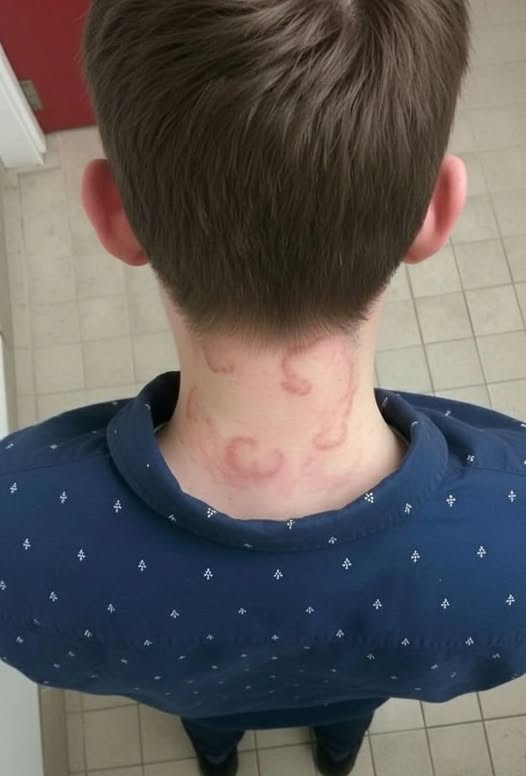
Chronic hives, or persistent urticaria, in children can be a distressing and confusing experience for both young patients and their caregivers. What may begin as a mild, fleeting itch can quickly escalate into a prolonged condition that significantly disrupts daily life. Children with this condition often develop red, raised welts that appear suddenly, sometimes covering large areas of the body and disappearing just as unpredictably. Beyond the visible symptoms, the discomfort can affect sleep, school performance, and overall mood. Parents may initially assume that a food allergy, environmental exposure, or a seasonal trigger is responsible, but when the symptoms persist for weeks or months, it becomes clear that a deeper, more systemic immune response is at play. Chronic urticaria, characterized by welts lasting more than six weeks, requires careful observation, prompt medical evaluation, and an informed approach to treatment, especially when angioedema—swelling beneath the skin—develops.
The underlying cause of chronic hives in children is often multifactorial. At the core of the condition lies an immune system reaction in which mast cells release histamine and other chemicals into the bloodstream, triggering fluid leakage from small blood vessels and producing the characteristic swelling and itch. While acute urticaria often has an identifiable trigger, chronic cases may occur without a single, obvious cause, leaving families and clinicians to search for patterns among possible contributors, including foods, medications, infections, stress, temperature changes, and even pressure or friction on the skin. Angioedema complicates this picture, manifesting as swelling of the lips, eyelids, and, in severe cases, the airway. This deeper reaction may not respond to standard topical creams and can become life-threatening if it obstructs breathing, highlighting the importance of early recognition and intervention. Understanding the immune mechanisms and potential triggers behind chronic hives equips caregivers with the knowledge to respond effectively, reducing the risk of escalation.
Diagnosis begins with a careful history and physical examination, supplemented by targeted tests when appropriate. Pediatricians may look for patterns in the timing and location of hives, any links to recent foods, medications, or infections, and the presence of angioedema or systemic symptoms. Blood tests, allergy panels, and sometimes skin biopsies or autoimmune screenings may be used to rule out underlying conditions or systemic diseases. Accurate documentation of flare-ups—through photos, symptom diaries, and notes on possible triggers—can provide valuable information for healthcare providers, helping to distinguish between acute, chronic, and inducible forms of urticaria. Beyond laboratory analysis, the clinician’s ability to assess risk for airway involvement or severe reactions guides treatment decisions, including the urgency of antihistamines, corticosteroids, or epinephrine in emergency situations. A thorough diagnostic process not only identifies potential triggers but also provides families with a roadmap for ongoing management and reassurance that they are not facing the condition blindly.
Treatment strategies focus on controlling symptoms, preventing complications, and improving quality of life. Non-sedating antihistamines are the cornerstone of therapy, often administered daily to suppress the release of histamine and reduce both hives and itching. For severe or persistent flares, doctors may temporarily prescribe corticosteroids, while maintaining awareness of the risks associated with long-term use. In children with angioedema, emergency preparedness is critical: parents and caregivers must understand when to administer epinephrine or seek immediate medical attention. Lifestyle adjustments, including identifying and avoiding known triggers, ensuring skin hydration, and implementing gentle skin-care routines, complement medical treatment. Equally important is education: children benefit from understanding their condition in age-appropriate ways, reducing anxiety and empowering them to communicate symptoms and discomfort clearly. Together, these measures provide a structured and proactive approach to managing a condition that, left unchecked, can dominate a child’s life.
Beyond the physical management of chronic urticaria, emotional and social support plays a vital role. Persistent hives and swelling can cause embarrassment, social withdrawal, and emotional stress for children, particularly if peers notice the visible welts or if symptoms interfere with daily activities such as sports, school, or sleepovers. Families and caregivers must prioritize open communication, validating the child’s feelings while encouraging resilience and normalcy. School personnel, friends, and relatives can be educated about the condition to provide understanding and support, creating a safe environment that reduces stress-induced flare-ups. Additionally, connecting with support groups or online communities can help both children and parents feel less isolated, learning coping strategies and practical tips from others navigating similar challenges. Addressing the psychosocial dimension ensures that chronic urticaria is managed holistically, not only through medications and medical interventions.
Long-term management emphasizes vigilance, flexibility, and collaboration with healthcare providers. Chronic urticaria can fluctuate over time, with periods of remission followed by sudden flare-ups. Regular follow-ups allow clinicians to adjust treatment regimens, monitor for side effects, and re-evaluate potential triggers. Families are encouraged to maintain clear records of symptoms and responses to medications, providing data that can inform individualized care plans. For children, understanding their condition fosters self-advocacy and confidence, enabling them to participate in managing their health while minimizing disruption to normal activities. Ultimately, while chronic hives and angioedema present ongoing challenges, a comprehensive approach—blending medical treatment, lifestyle modifications, emotional support, and education—can empower families to manage the condition effectively. Recognizing the seriousness of symptoms like throat swelling and responding promptly saves lives, while daily strategies improve comfort, resilience, and overall well-being for the child navigating this persistent condition.
Chronic urticaria and associated angioedema in children serve as a reminder of the complexity of the immune system and the delicate balance between vigilance and daily life. What begins as a seemingly minor skin irritation can escalate into a condition that impacts sleep, school, social interactions, and safety. By understanding the underlying mechanisms, identifying potential triggers, implementing structured treatment plans, and addressing the emotional needs of the child, families can mitigate both physical and psychological consequences. Ongoing collaboration with healthcare providers ensures that care is dynamic and responsive, adapting to the child’s changing needs over time. While chronic hives are often unpredictable, informed and proactive management provides reassurance, safety, and a framework in which children can continue to grow, play, and thrive despite the challenges posed by their condition.