If you’ve ever wandered through a quiet forest after a rainfall, you might have stumbled across a strange, rubbery orb nestled among fallen leaves, looking more like an alien pod than anything from Earth. This peculiar object is the stinkhorn mushroom, scientifically named Phallus impudicus, one of the most remarkable and bizarre fungi in the natural world. Its reputation as “nature’s most terrifying creatures” comes from its unusual shape, startling speed of growth, and infamous odor. Yet beneath the shock factor lies an organism of extraordinary ecological ingenuity and evolutionary adaptation.
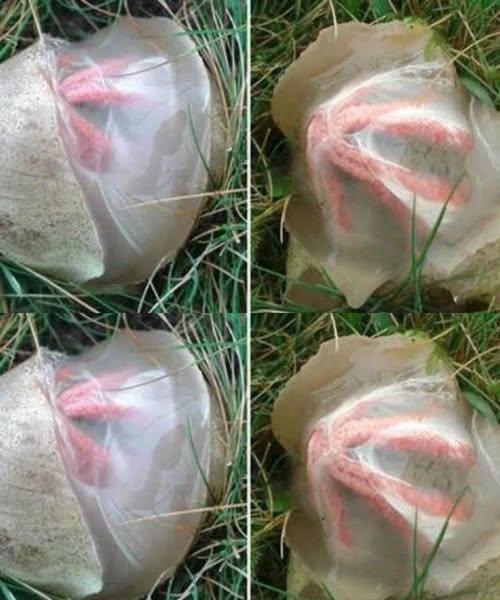
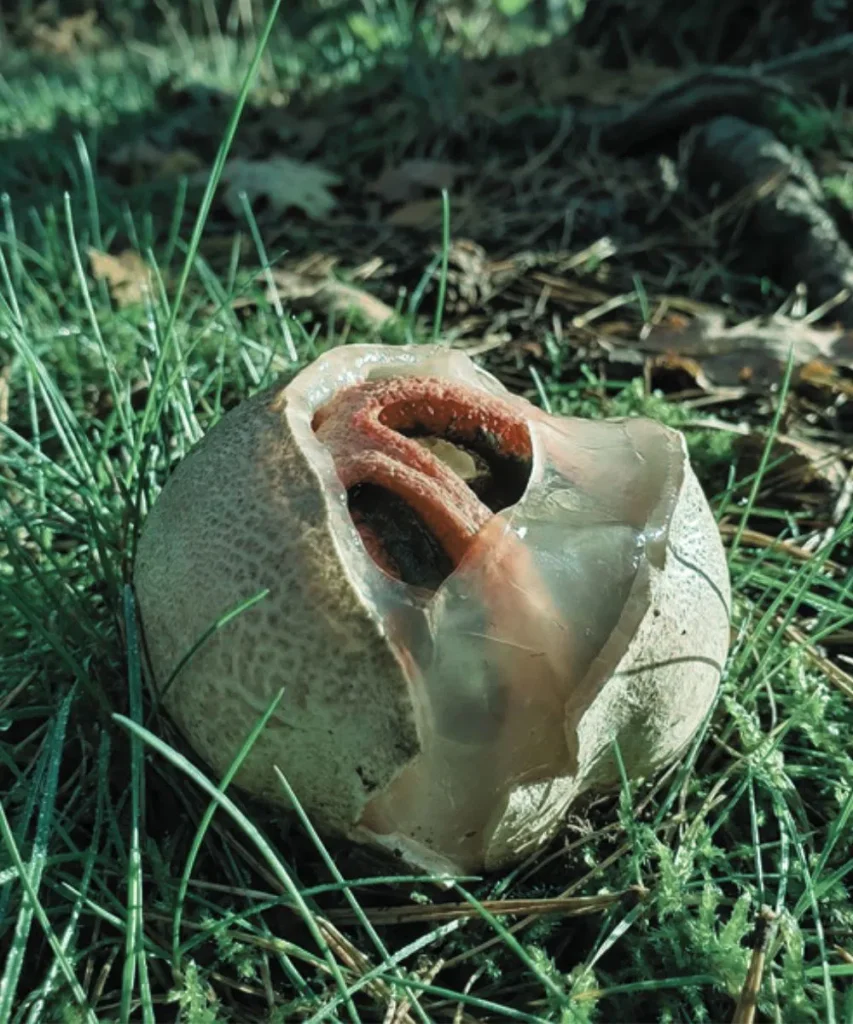
The stinkhorn begins its life in what is known as the “witch’s egg” stage. This pale, gelatinous orb is partially buried in soil or leaf litter, and even experienced mushroom hunters sometimes pause, unsure whether they are witnessing a fungus or some extraterrestrial growth. Within this unassuming shell lies the tightly folded stalk and cap of the mature mushroom. Under the right conditions, the egg undergoes a dramatic transformation, splitting open in a single night as a tall, sponge-like stalk emerges from the ground. Stinkhorns rank among the fastest-growing fungi known, capable of growing several inches in just hours, giving the impression of a sudden, almost supernatural appearance.
As unsettling as its sudden emergence is, the stinkhorn’s odor is what truly sets it apart. The mature mushroom releases a powerful stench reminiscent of rotting flesh, an aroma deliberately designed to attract insects. Unlike most fungi, which rely on wind dispersal, stinkhorns use flies, beetles, and other insects as carriers for their spores. Their gleba, a sticky, spore-laden cap, entices insects to land and feed, ensuring spores hitch a ride to new locations. While humans recoil at the smell, this pungent strategy is a sophisticated reproductive adaptation, demonstrating how evolution can turn even the most unpleasant traits into survival advantages.
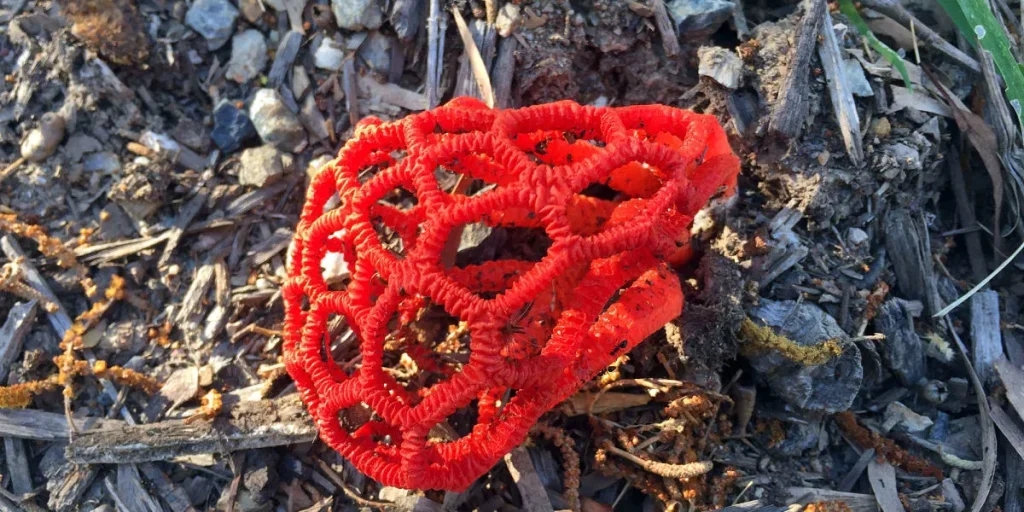
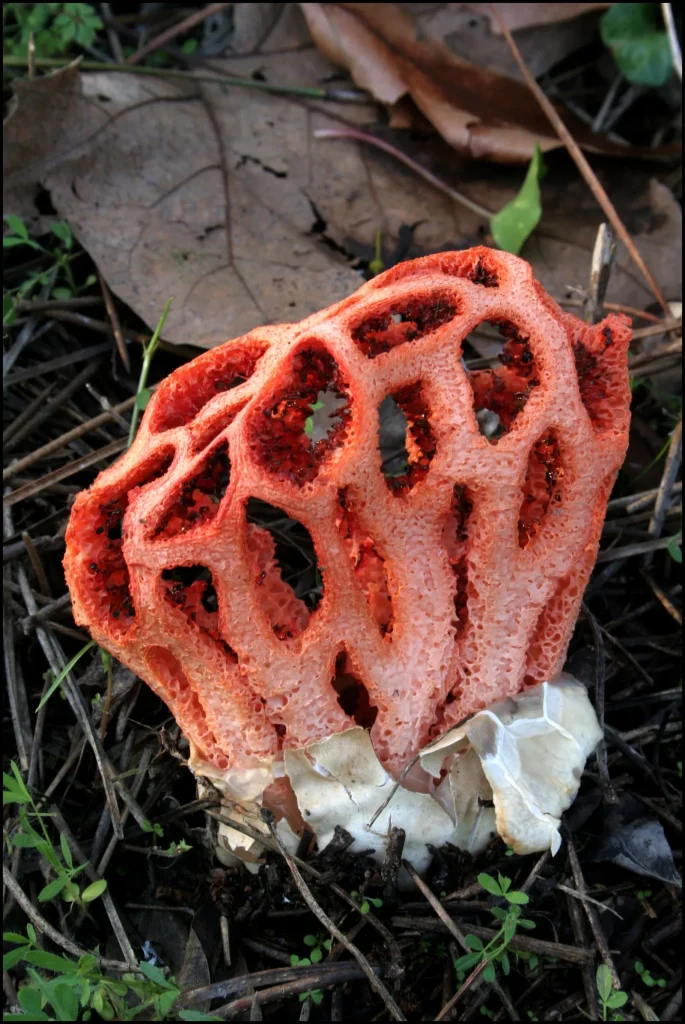
Beyond its shock value, the stinkhorn plays a vital role in forest ecosystems. It breaks down organic matter, particularly fallen wood and plant debris, recycling nutrients back into the soil. By performing this essential ecological function, the mushroom supports the health and growth of plants and trees, proving that appearances can be deceiving. While its dramatic, sometimes phallic or tentacle-like forms have earned it names such as “devil’s egg,” “corpse fungus,” and “zombie mushroom,” its contribution to the ecosystem is quietly indispensable. Its strange looks and offensive odor are simply the means by which it fulfills a crucial environmental role.
Interestingly, despite its grotesque reputation, the stinkhorn is harmless to humans. Touching it is safe, and in some cultures, the egg stage is even considered edible, though foraging requires caution to avoid dangerous misidentification. The mushroom challenges our preconceived notions of beauty, utility, and normalcy in nature. It reminds observers that evolution favors functionality and adaptation over aesthetic appeal and that even the most shocking organisms can serve important purposes. Its startling presence illustrates nature’s creativity and ability to innovate in ways humans might never imagine.
Ultimately, the stinkhorn mushroom exemplifies how appearances can deceive and how survival strategies often defy human sensibilities. It grows fast, smells foul, looks otherworldly, and yet performs essential ecological work. Its dramatic emergence, odor, and bizarre morphology earn it the reputation of “nature’s most terrifying fungus,” but closer observation reveals ingenuity, adaptation, and ecological brilliance. For those willing to look beyond fear and revulsion, the stinkhorn is a testament to the surprising, often unsettling creativity that thrives in the natural world. It stands as a reminder that some of the most fascinating life forms are those that challenge our comfort zones while quietly sustaining the ecosystems around them.