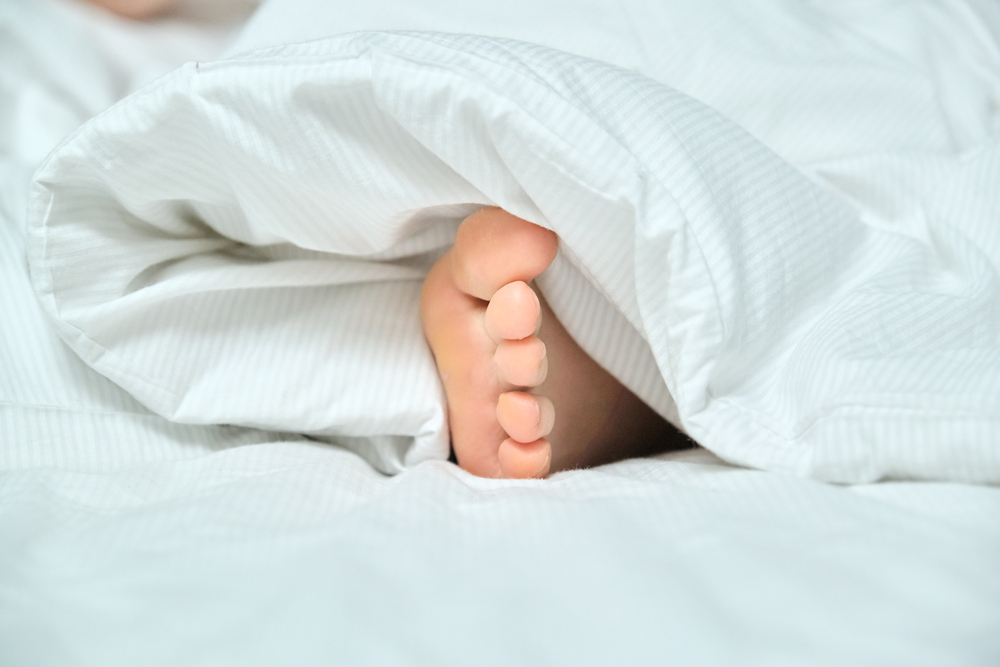
Most people have done it instinctively, usually without much thought: nudging one foot out from under the blanket in the middle of the night. It feels natural, even comforting, especially when sleep seems just out of reach. While it may appear to be nothing more than a quirky habit, science suggests this simple action is closely connected to how the body prepares itself for rest. Sleep is not just about closing your eyes; it is a complex biological process guided by temperature, hormones, and deeply ingrained rhythms. As evening approaches, the body begins to shift gears, lowering its core temperature in preparation for sleep. This drop is essential, signaling the brain to release melatonin and encouraging the nervous system to relax. When this cooling process is disrupted—by stress, an overheated room, or heavy bedding—falling asleep can become frustratingly difficult.
The feet play a surprisingly important role in this transition. Unlike most areas of the body, they are equipped with specialized blood vessels that allow heat to escape rapidly. These vessels, known as arteriovenous anastomoses, channel warm blood directly to the skin’s surface, bypassing smaller capillaries. This design makes the soles of the feet exceptionally effective at releasing excess heat. When one foot is exposed to cooler air outside the blanket, it functions almost like a natural thermostat, helping the body shed warmth more efficiently. This subtle release of heat supports the body’s internal cooling process, making it easier to move from wakefulness into sleep without drastic adjustments like removing covers entirely or lowering the room temperature.
Researchers studying sleep often focus on a measurement called the distal-to-proximal gradient, which compares the temperature of the extremities—hands and feet—to that of the body’s core. A higher gradient indicates that more heat is being released from the extremities, a condition strongly associated with faster sleep onset. Studies have shown that people who fall asleep quickly tend to have warmer hands and feet, allowing heat to dissipate effectively. Letting one foot stick out from under the covers can increase this gradient almost immediately. It’s a small change, but it sends a clear signal to the brain that the body is safe, comfortable, and ready to rest.
Beyond helping you fall asleep faster, this habit may also support deeper, more stable sleep throughout the night. When the body is too warm, it tends to wake more frequently, shifting between lighter sleep stages. By allowing excess heat to escape gradually, sleeping with one foot uncovered can help maintain a more consistent temperature, reducing nighttime restlessness. Many people report fewer awakenings and a greater sense of refreshment in the morning when their body temperature remains balanced. The beauty of this method lies in its flexibility: if you become cold, you instinctively pull your foot back under the blanket; if you warm up again, it slips out naturally. The body adjusts without conscious effort.
Of course, this simple trick works best when combined with other sleep-friendly habits. Creating an environment that supports natural cooling can amplify its effects. Keeping the bedroom slightly cool, dimming lights in the evening, and avoiding stimulating activities before bed all reinforce the body’s circadian rhythm. Warm showers or baths taken one to two hours before bedtime may also help, as they raise skin temperature temporarily and trigger a stronger cooling response afterward. For people who tend to have cold feet, briefly warming them before bed—using socks or a foot bath—can paradoxically help initiate sleep by jump-starting circulation, after which layers can be adjusted for comfort.
It’s important to remember that sleep is deeply personal, and no single habit works for everyone. Individuals with poor circulation, chronic cold sensitivity, or conditions such as Raynaud’s disease may find that exposing a foot feels uncomfortable rather than soothing. Children, older adults, or those sleeping in already cool environments may benefit more from conserving heat than releasing it. The goal is not to follow a rigid rule but to listen to your body and notice what helps you relax. Comfort, not perfection, is the foundation of good sleep.
In a world filled with expensive sleep gadgets, supplements, and complex advice, it’s easy to overlook the power of simple, instinctive behaviors. Sleeping with one foot out from under the covers is a reminder that the body often knows what it needs. This small, almost unconscious adjustment taps into ancient biological mechanisms designed to guide us toward rest. The next time you find yourself tossing and turning, consider letting one foot breathe. That tiny change may be enough to help your body cool down, your mind slow down, and sleep arrive more gently than you expected.