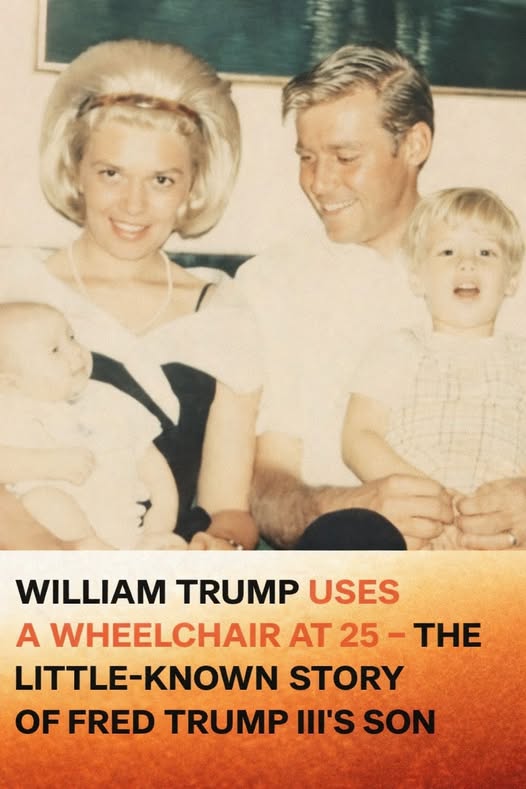
William Trump, now 25, has lived a life marked by both profound challenges and extraordinary resilience. Born with a rare KCNQ2 genetic mutation, William faced severe seizures and developmental disabilities from the earliest moments of his life. His family spent fifteen years searching for answers, navigating a labyrinth of medical consultations and treatments before arriving at a definitive diagnosis. Despite these obstacles, William’s early years were filled with moments of joy: the laughter sparked by swimming sessions, the simple pleasure of peanut butter sandwiches, and the rhythm of reggae music that seemed to lift his spirits. Each milestone, no matter how small, became a testament to his perseverance and the unwavering love of his family.
Fred Trump III, William’s father, has been both witness and advocate in his son’s journey, documenting their experiences in his memoir All in the Family. The book explores not only the unique challenges they faced but also the deep bonds that sustained them through years of uncertainty and hardship. As a nephew of former President Donald Trump, Fred brings public attention to a personal and often overlooked aspect of life: the lived experience of families navigating profound disabilities. By sharing William’s story, Fred provides a window into the joys, struggles, and resilience that define their everyday reality, creating a narrative that resonates with families across the country who face similar circumstances.
Today, William lives in a specialized group home in Connecticut, where he receives consistent care while remaining close to the family he loves. His home is tailored to meet his unique needs, allowing him to continue engaging with activities that bring him happiness and comfort. Although nonverbal, William communicates through gestures, expressions, and the unwavering trust he has in those who care for him. His daily life includes private therapies such as music and aquatic activities, opportunities made possible by the family’s resources but emblematic of the potential all individuals with disabilities should have access to. These experiences highlight the importance of specialized care, individualized attention, and supportive environments that allow people with profound disabilities to live meaningful, enriched lives.
Fred has leveraged William’s journey to champion broader awareness and advocacy for people with disabilities. Recognizing systemic gaps in caregiving, housing, and early medical intervention, he speaks publicly on the need for robust training for caregivers, expanded housing options for adults with disabilities, and timely access to therapies that can improve quality of life. Through participation in organizations such as the American Association of People with Disabilities, Fred amplifies a message that extends far beyond his own family: people with profound developmental disabilities deserve respect, inclusion, and opportunities for engagement in society. By transforming personal experience into public advocacy, Fred seeks to create a society where families like his do not have to navigate these challenges in isolation.
The story of William’s life also highlights the inequities that exist in access to specialized care and therapies. While his family has been able to provide private therapies, music lessons, and swimming programs, many families face financial and logistical barriers that make these supports inaccessible. Fred and his wife, Lisa, are passionate about ensuring that these resources are available to all, regardless of income. They work to raise awareness, influence policy, and connect families with the tools and knowledge they need to support children and adults with developmental disabilities. Their advocacy is a testament to the belief that every individual, regardless of ability, deserves a life filled with opportunity, enrichment, and dignity.
At the heart of William Trump’s story is a celebration of human resilience and the power of family love. Despite the severity of his condition and the daily challenges he faces, William experiences joy in simple pleasures, thrives in supportive environments, and inspires those around him. His life demonstrates that disability does not diminish the capacity for happiness, connection, or impact. Through Fred’s efforts in public advocacy and education, William’s journey extends beyond their family, serving as a catalyst for systemic change, greater understanding, and a more inclusive society that values the contributions and humanity of every individual, regardless of their abilities.
The Trumps’ story is ultimately one of hope, action, and transformation. It illustrates how personal hardship can fuel advocacy, and how the love and dedication of a family can shape the world beyond the confines of a single household. By sharing William’s experiences openly and honestly, Fred Trump III challenges society to rethink assumptions about disability, caregiving, and inclusion. He highlights the urgency of creating equitable access to therapies, housing, and support systems, while also celebrating the unique strengths, joys, and personalities of individuals like William. In doing so, the Trumps remind us that compassion, advocacy, and understanding can turn even the most daunting challenges into opportunities for growth, awareness, and societal progress.