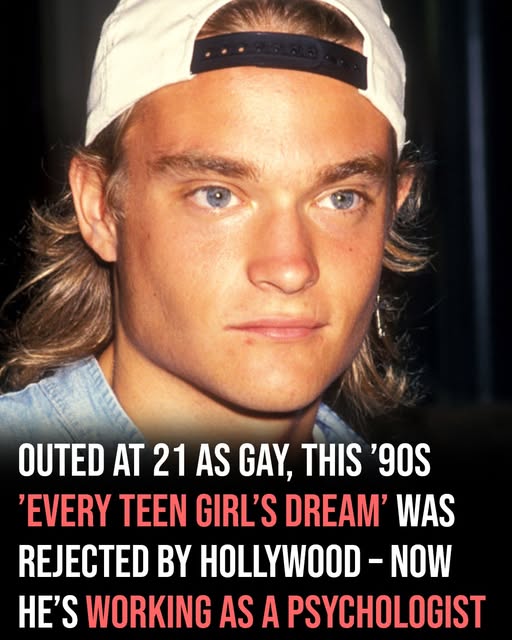
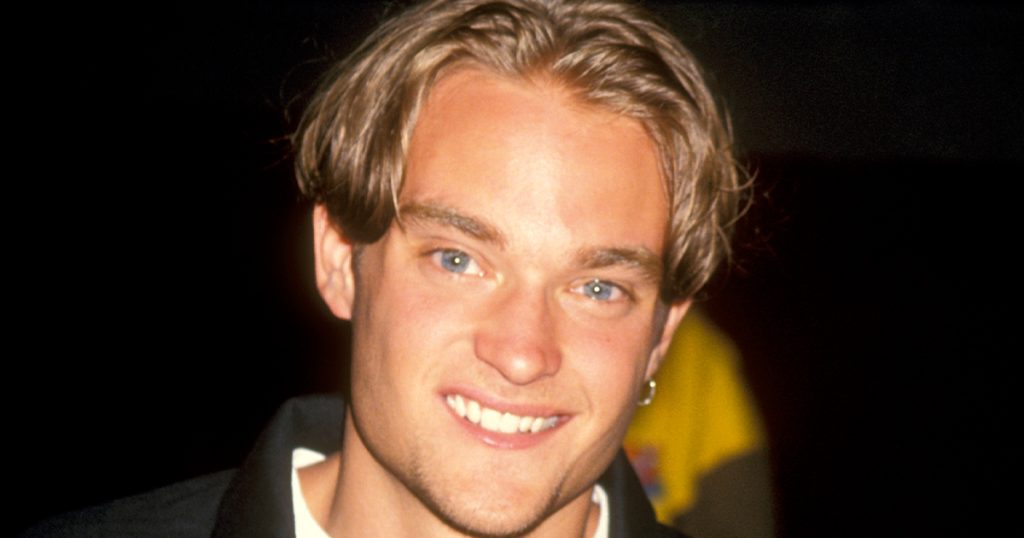
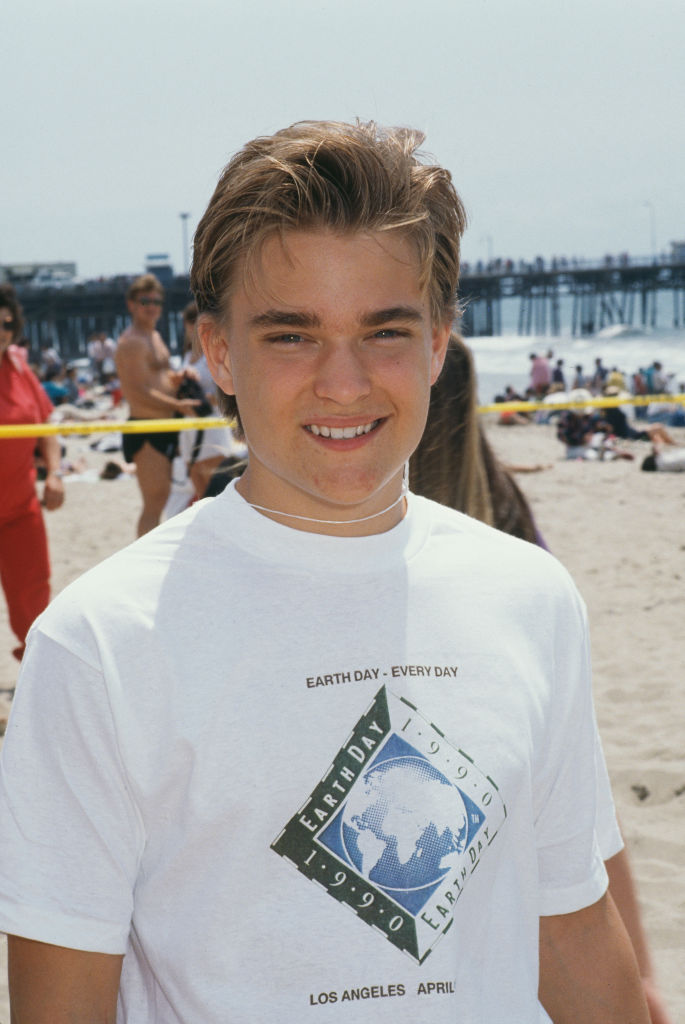
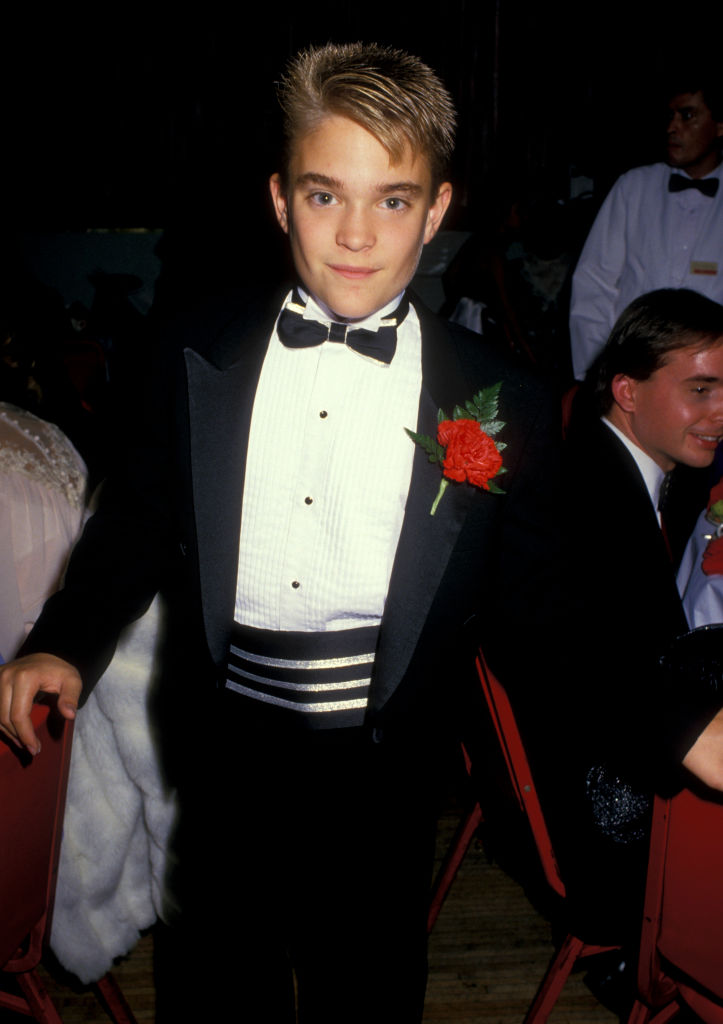
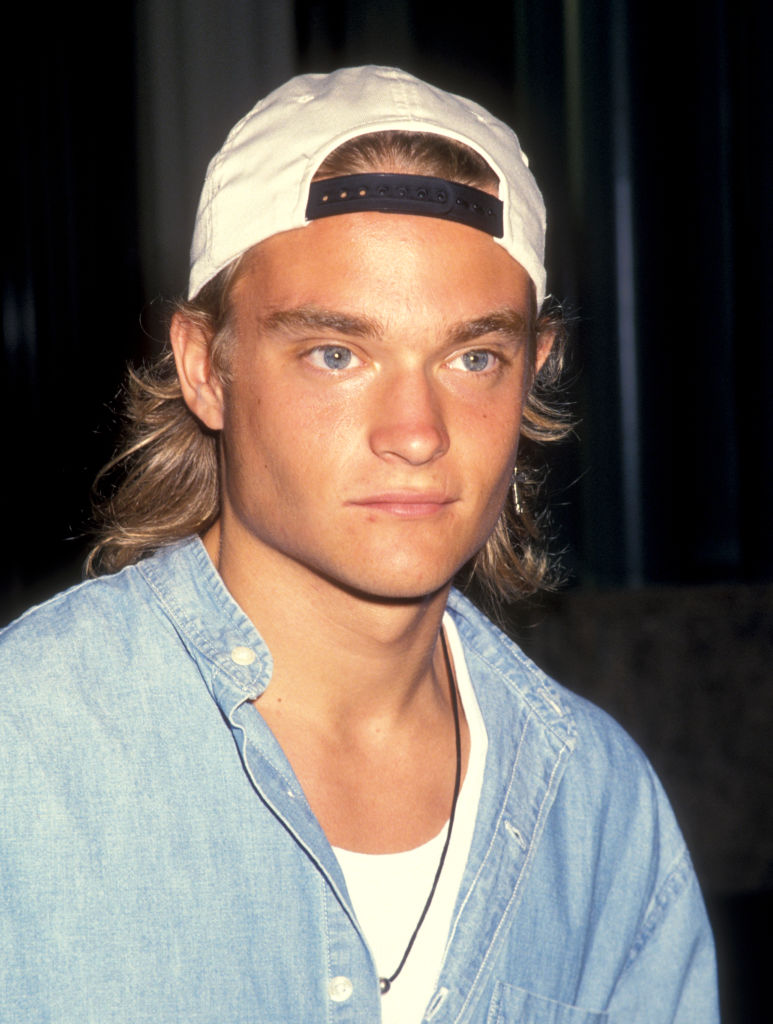
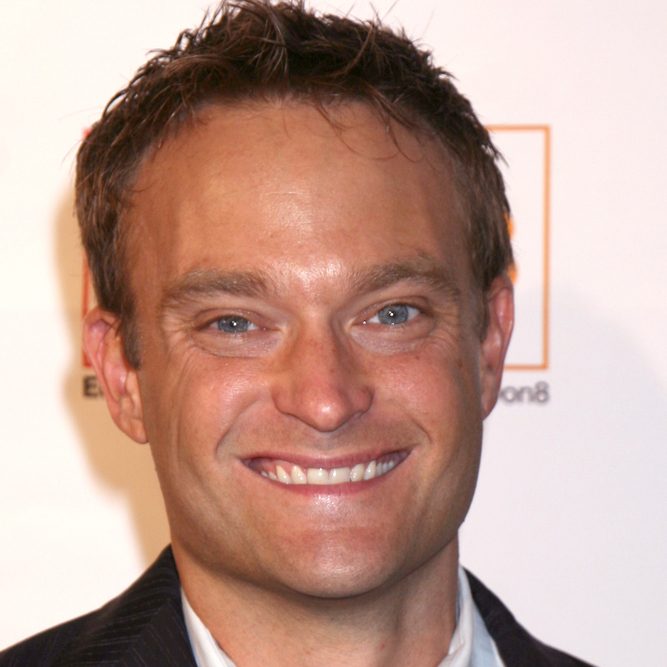
In the late 1980s and throughout the 1990s, Chad Allen was the kind of face that seemed to exist everywhere at once. He smiled out from magazine covers, television screens, and promotional posters, embodying the wholesome charm America loved to celebrate. To millions of viewers, he represented comfort, innocence, and reliability — the boy-next-door America welcomed into their living rooms week after week. Yet beneath that polished image was a child who barely had time to understand himself, let alone the expectations placed upon him. While audiences saw confidence and ease, Chad was growing up under relentless scrutiny, performing adulthood long before he had the chance to experience childhood. Fame arrived early, stayed loud, and quietly shaped every corner of his identity.
Born in 1974, Chad Allen stepped into acting at just eight years old, landing a role on St. Elsewhere that demanded emotional depth far beyond his years. Playing an autistic child required sensitivity and imagination, and he approached it with an intensity that revealed his natural talent. Even then, his inner world was rich and complex, filled with imagined stories and emotional landscapes he didn’t yet have language to explain. Success followed quickly, and soon he was appearing on popular shows like Airwolf, Our House, and My Two Dads. While other children worried about homework or weekend plans, Chad memorized scripts, navigated sets, and learned how to be “on” at all times. Acting became both refuge and responsibility, but it also replaced experiences most kids take for granted — friendships formed organically, awkward school dances, and the freedom to fail without consequences.
As he entered his teenage years, the gap between who Chad was and who the world wanted him to be began to widen. Publicists refined his image, photographers captured his best angles, and interviews reinforced a carefully crafted persona. He wasn’t just a person anymore — he was a product. While the attention validated his success, it also left him feeling disconnected from his authentic self. He later reflected on how strange it was to observe his public image as if it were someone else entirely, polished and composed in ways he didn’t feel inside. At sixteen, he made a decision that shocked many around him: he walked away from Hollywood. He returned to high school, seeking normalcy and anonymity. Joining the drama club felt safer than the manufactured world of teen stardom, offering creativity without commercial pressure. For the first time, acting felt like exploration rather than obligation.
Yet leaving the spotlight didn’t immediately bring peace. Raised in a devout Catholic household, Chad carried a strong moral framework that often clashed with his internal struggles. As adulthood approached, unresolved identity questions and emotional isolation led him down a darker path. Alcohol became a coping mechanism, gradually turning into dependency. Fame had faded, but loneliness intensified. At his lowest point, he found himself isolated in a Malibu condo, physically present but emotionally adrift, edging dangerously close to losing everything. A painful confrontation with reality came when close friends began to distance themselves, unwilling to watch him self-destruct. Recovery was not instant, but it marked a turning point. For the first time, Chad began to understand healing not as weakness, but as an act of courage and self-respect.
Just as he was stabilizing, another crisis arrived — one that would reshape his life publicly and privately. In 1996, during his successful run on Dr. Quinn, Medicine Woman, a tabloid published photos outing him as gay without his consent. The betrayal cut deep, not only because of the invasion of privacy, but because it stripped him of control over his own narrative. Fear followed quickly — fear of judgment, career loss, and rejection from family. While colleagues on set supported him, the broader industry quietly closed doors. Auditions disappeared. Opportunities dried up. Even more painful was the reaction at home, where silence and discomfort replaced the unconditional acceptance he hoped for. Yet amid the fallout, something unexpected happened. Letters arrived from young people who saw themselves in his story, thanking him for being visible when they felt alone. Writing back became an act of mutual healing, reminding him that truth, while costly, could also be transformative.
Eventually, Chad Allen stepped away from acting entirely, not out of bitterness, but clarity. In 2015, he closed that chapter and began another, returning to school to study psychology. Years of therapy, recovery, and self-reflection had sparked a desire to help others navigate the very struggles he once faced. He earned a Doctorate in Clinical Psychology and opened a private practice, choosing a quieter life grounded in service rather than applause. Naming his practice Confluence Psychotherapy symbolized his belief that healing happens where experiences, identities, and truths meet. Today, his life looks vastly different from the one that once defined him. He spends his days counseling patients, walking his dog, connecting with nature, and advocating for compassion and equality. The boy once labeled “every teen girl’s dream” grew into a man who chose authenticity over image and purpose over fame — proving that sometimes the bravest transformation happens far from the spotlight.