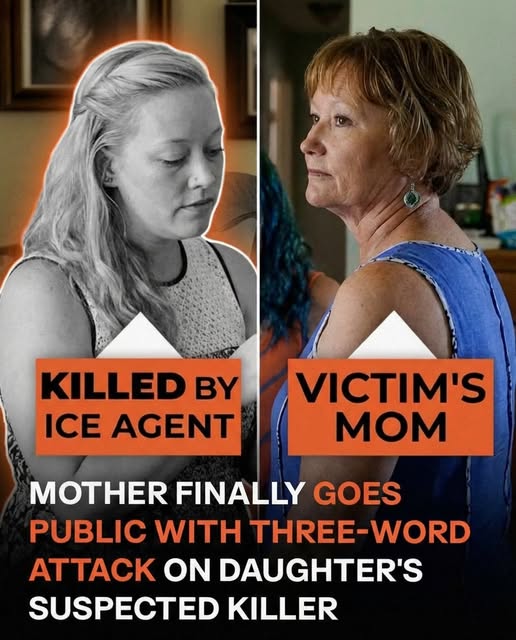
A quiet winter morning in south Minneapolis turned into a moment of national attention and deep public grief after a federal immigration enforcement operation ended in the fatal shooting of 37-year-old Renee Nicole Good, a local woman whose life and death have become the focal point of intense debate over law enforcement tactics and civilian safety. Good was identified by authorities and confirmed by family members as the woman killed by a United States Immigration and Customs Enforcement (ICE) agent on January 7, 2026, in the Powderhorn Park neighborhood. According to official statements from the Department of Homeland Security, federal agents were conducting targeted enforcement activity when they encountered Good’s vehicle and an officer believed an immediate threat existed, prompting the use of lethal force. President Trump and DHS leadership publicly defended the agent’s actions, describing the moment as one driven by fear for officer safety. However, video footage of the incident circulating online shows Good’s burgundy SUV surrounded by federal agents before shots were fired while the vehicle appeared to be pulling away, prompting widespread questions about what truly unfolded in those critical seconds and whether the use of force was justified. As details emerged, attention quickly expanded beyond the circumstances of the shooting to who Renee Nicole Good was as a person. Family members, including her mother and her wife, shared heartfelt reflections, describing her as a loving, creative, and compassionate individual. Good was a poet, writer, wife, and mother of three, known among loved ones for her warmth, empathy, and devotion to her children. She had earned recognition for her poetry and was remembered by friends and neighbors as someone who cared deeply for others and embodied kindness in her daily relationships. Good’s mother, Donna Ganger, expressed profound disbelief and grief in the wake of her daughter’s death, emphasizing that Renee was gentle and non-violent—traits echoed by community members and neighbors who recalled small, meaningful interactions with her. Many observers in the Minneapolis area described her as someone who rose early, participated in community life, and cared deeply about those around her. What began as shock at the fatal encounter quickly developed into a broader conversation about her humanity, her role as a parent, and the tragic loss suffered by her family and community. In the days that followed, vigils and memorial gatherings sprang up near the scene of the shooting, drawing crowds who came to honor Good’s life and show solidarity with her grieving family, especially her young children. Community leaders visited memorial sites, and residents lit candles, spoke her name, and called for transparency in the investigation. Local officials acknowledged the community’s pain, and state and federal authorities urged patience as reviews continue, though many residents stressed that clarity, accountability, and careful review of evidence are necessary to restore trust in law enforcement processes.
Even as official investigations proceed, many who knew Good and members of the public have emphasized that their hope is for her to be remembered not solely for the way her life ended, but for the care, creativity, and humanity she brought into the world. Her story—a mother, artist, and neighbor gunned down in a snowy residential street—has resonated far beyond Minneapolis, touching debates about policing, federal enforcement operations, and the importance of acknowledging the full humanity of individuals behind headlines.