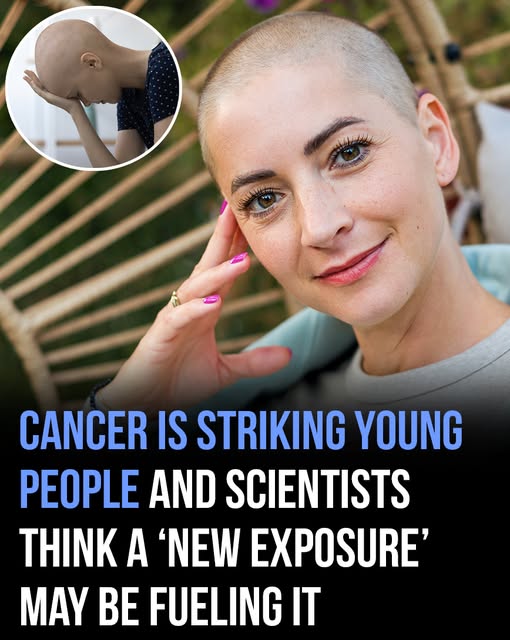
A growing body of evidence is reshaping how scientists understand cancer risk, and a landmark U.S. study has delivered one of the most unsettling findings yet: cancer is no longer predominantly a disease of old age. An extensive analysis of two decades of national data shows that people born in or after 1965—largely Gen X and millennials—face dramatically higher risks of developing cancer than those born just a decade earlier. According to the research, younger generations are experiencing cancer diagnoses at rates two to three times higher than individuals born around 1955, and crucially, this elevated risk does not fade as they age. Instead, it follows them into midlife and beyond, suggesting the country may be heading toward a sustained increase in overall cancer burden. Researchers describe the trend as historically significant, drawing comparisons to the mid-20th-century explosion of lung cancer cases driven by cigarette smoking. Yet unlike smoking, the precise causes behind today’s rise are more complex and less easily isolated, raising urgent questions about what modern exposures may be reshaping disease risk on a population-wide scale.
The study, published in The Lancet Public Health, reviewed nearly 24 million cancer diagnoses and more than seven million cancer-related deaths recorded in the United States between 2000 and 2019. By examining 34 different cancer types across multiple birth cohorts, researchers were able to disentangle age effects from generational trends, revealing that the increase is not simply a matter of better screening or an aging population. Out of the cancers analyzed, 17 showed significantly higher incidence rates among Gen X and millennials. Particularly steep increases were observed in cancers of the pancreas, kidney, renal pelvis, thyroid, and small intestine—diseases that historically were relatively uncommon in younger adults. While improved diagnostic tools and greater awareness may explain part of the rise, scientists emphasize that detection alone cannot account for the scale or consistency of the trend. The pace at which new cases are appearing has exceeded what would be expected from screening advances, strongly suggesting that a real increase in disease is occurring rather than merely more cancers being caught earlier.
Even more concerning than the rise in diagnoses is the parallel increase in cancer-related deaths among younger generations. The study found that mortality rates have climbed for five specific cancers: liver, endometrial, gallbladder, testicular, and colorectal cancers. These findings challenge the long-held assumption that earlier diagnosis in younger patients automatically leads to better outcomes. Instead, they suggest that some cancers may be behaving more aggressively, being detected at later stages, or responding less effectively to treatment in younger populations. Researchers caution that this dual rise in incidence and mortality points to deeper systemic issues, potentially involving long-term biological changes triggered by early-life exposures. If current trends continue, the healthcare system may face not only more cancer patients overall, but also a growing number of people living with cancer for decades, reshaping survivorship care, economic costs, and public health planning.
While the study was not designed to pinpoint definitive causes, obesity emerged as one of the most compelling and consistent factors linked to the surge. Obesity has been associated with 10 of the 17 cancers showing increased incidence in younger generations, and its prevalence has risen steadily since the 1970s, particularly among children and adolescents. Excess body fat is known to promote chronic inflammation, alter hormone levels, and disrupt metabolic processes—all of which can create an environment that supports cancer development. Experts note that the cancer types rising fastest among young people strongly overlap with those known to be obesity-related, lending weight to the hypothesis that weight gain earlier in life may have long-lasting consequences. Unlike previous generations, many individuals today are exposed to metabolic stress from childhood onward, potentially extending the window during which cancer-promoting processes can take hold.
Dietary patterns are another major area of concern. Western-style diets—characterized by high intakes of processed foods, added sugars, refined carbohydrates, and unhealthy fats—have been repeatedly linked to cancers such as colorectal and breast cancer. Beyond obesity, scientists are increasingly interested in how diet affects the gut microbiome, the vast community of bacteria that plays a critical role in digestion, immune function, and inflammation. Disruptions to this microbial balance, sometimes caused by poor diet or widespread antibiotic use early in life, may increase cancer risk by promoting chronic inflammation and impairing immune surveillance. Some gastrointestinal cancers rising among younger adults are not directly tied to obesity, strengthening the theory that microbiome changes could be an independent driver. Researchers also point to other modern influences, including sedentary lifestyles, reduced physical activity, disrupted sleep patterns, environmental pollutants, and persistent low-grade inflammation, all of which may compound risk when exposure begins early and continues for years.
Taken together, the findings paint a sobering picture of how modern lifestyles may be reshaping cancer risk across generations. Scientists warn that if current patterns persist, today’s adolescents and young adults could face a lifetime of elevated cancer risk, with consequences extending far beyond individual health to strain healthcare systems and economies. Yet experts also stress that these trends are not inevitable. Many of the suspected drivers—obesity, diet, physical inactivity, and environmental exposures—are modifiable, meaning prevention efforts could still make a meaningful difference. The study underscores the urgency of investing in research to identify precise causes, alongside public health strategies that promote healthier environments from early childhood onward. As millions of younger people confront the possibility of higher lifetime cancer risk, the challenge ahead is clear: understanding what has changed, and acting decisively before today’s warning signs become tomorrow’s entrenched reality