Your body is constantly communicating, long before illness announces itself through pain or disruption. These early messages are rarely dramatic. Instead, they appear as small, persistent changes—subtle shifts in skin texture, recurring discomforts, or sensations that seem inconvenient rather than alarming. In a culture that treats fatigue, irritation, and minor physical issues as the price of modern life, these signals are often brushed aside or normalized. Yet the body is remarkably efficient at warning when something is drifting out of balance. Nutrient deficiencies, hormonal fluctuations, and metabolic strain often surface quietly, using the most accessible systems—skin, hair, muscles, sleep patterns—to ask for attention. The danger is not that these signs exist, but that they are ignored until they harden into chronic conditions. Learning to observe them without fear, but with curiosity and respect, allows for intervention when solutions are simpler and outcomes far more favorable.
The skin is often the first place internal imbalance becomes visible. As the body’s largest organ and a frontline defender, it responds quickly to nutritional gaps, inflammation, and immune stress. Rough, red, or bumpy patches on the arms, thighs, face, or back are frequently dismissed as acne, allergies, or simple dryness. In many cases they are harmless, but when these textures persist, they can reflect keratin buildup in hair follicles, a condition commonly known as keratosis pilaris. While not dangerous, it has been associated with genetic predisposition and possible deficiencies in vitamins A and C, both essential for skin cell turnover, collagen formation, and immune resilience. When the body lacks these nutrients, skin renewal slows, leading to clogged follicles and uneven texture. Chronic inflammation, poor gut absorption, or highly processed diets can worsen the issue. Treating the surface alone often brings limited results, while addressing hydration, whole-food nutrition, and micronutrient balance tends to improve both skin appearance and overall health. The skin, in this sense, becomes a visible map of what is happening beneath the surface.
Changes in the neck and posture can also reveal deeper physiological shifts, particularly related to hormonal balance and skeletal health. Horizontal neck lines, rapid thinning of skin, or a sudden loss of firmness in this area are commonly attributed to aging, sun exposure, or phone use. While these factors contribute, they may also coincide with declining bone density, especially in women after menopause. Estrogen plays a crucial role in maintaining collagen production and calcium retention. When estrogen levels fall, collagen weakens and bones lose mineral density, increasing the risk of osteoporosis. The neck, with its thin skin and constant movement, can display these changes earlier than other areas. As bone structure subtly weakens, the support beneath the skin changes, altering how skin folds and rests. This connection highlights how deeply intertwined skeletal health and appearance truly are. Supporting bone strength through adequate calcium, vitamin D, protein intake, resistance exercise, and regular screenings is not only about preventing fractures—it is about preserving the body’s structural foundation from the inside out.
Uncomfortable sensations that interfere with rest are another way the body quietly signals imbalance. Restless leg syndrome, characterized by tingling, pulling, aching, or crawling sensations that create an overwhelming urge to move, often intensifies at night when the body should be repairing itself. Because it is not typically painful, many people tolerate it for years, assuming it is a quirk of stress or circulation. However, research has repeatedly linked restless leg symptoms to low iron levels, particularly iron availability in the brain. Iron is essential for oxygen transport, dopamine regulation, and healthy nerve signaling. When levels are insufficient, nerve communication can become erratic, producing sensations that are deeply uncomfortable and disruptive to sleep. Over time, poor sleep erodes immune function, hormone balance, mental clarity, and cardiovascular health. Addressing iron deficiency through proper testing, dietary sources, and absorption-aware supplementation can significantly reduce symptoms. Because restorative sleep underpins nearly every system in the body, disturbances like these deserve careful attention rather than quiet endurance.
Muscle cramps and spasms are another warning sign frequently dismissed as dehydration, poor posture, or overexertion. While these factors certainly play a role, recurring or unexplained cramps may point to low calcium levels or broader mineral imbalances. Calcium is essential not only for bone strength, but also for muscle contraction, nerve transmission, blood clotting, and heart rhythm regulation. When calcium levels drop, muscles may contract involuntarily, producing cramps, twitching, or tingling sensations. Dry skin, brittle nails, and fatigue can accompany these signs. Complicating matters, calcium absorption depends heavily on vitamin D and proper parathyroid hormone function. Even with adequate intake, deficiencies in these supporting systems can leave the body unable to utilize calcium effectively. Ignoring these early signals can allow imbalances to progress, increasing the risk of more serious complications involving the heart or nervous system. Early testing and targeted nutritional support, guided by medical professionals, can restore balance before damage occurs.
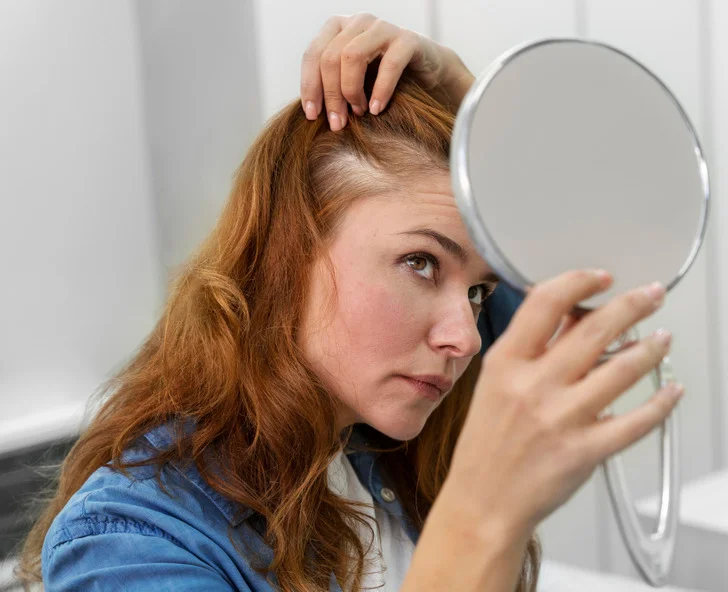
Hair loss is perhaps one of the most emotionally distressing signals the body can send, and it is often attributed solely to genetics, aging, or stress. While these factors matter, increased shedding or thinning frequently reflects deeper nutritional or hormonal issues. Hair follicles are highly sensitive to deficiencies in iron, biotin, niacin, zinc, protein, and essential fatty acids. Because hair is not essential for survival, the body diverts nutrients away from hair growth when resources are limited, prioritizing vital organs instead. This makes hair loss a delayed but meaningful indicator of long-standing imbalance rather than a sudden problem. Chronic stress, thyroid dysfunction, blood sugar instability, and poor gut absorption can all disrupt the hair growth cycle. Addressing hair loss effectively requires looking beyond cosmetic solutions to the underlying systems that support growth and repair. When the root causes are identified and corrected through balanced nutrition, medical evaluation, and sustainable lifestyle changes, hair health often improves alongside energy levels, mood, and resilience. The body rarely sends signals without purpose. When these quiet warnings are acknowledged early, they become opportunities for restoration—gentle reminders to listen, respond, and care for the body before imbalance turns into irreversible disease.