Hollywood’s golden era was defined by glamour, talent, and the relentless pursuit of fame, yet behind the shimmering lights, the lives of its stars often unfolded with complexity and hardship that the cameras never captured. Few embody that duality as vividly as Dyan Cannon, a star whose acting career spanned decades, whose beauty and charm captivated audiences, and whose personal journey revealed resilience and depth that transcended her on-screen roles. Today, at 88, Cannon continues to navigate public attention while finding meaning in faith, family, and a life rebuilt on her own terms, demonstrating that true strength is often forged in the crucible of experience. Her story is not simply about celebrity—it is a testament to perseverance, self-discovery, and the power of enduring grace.
Cannon’s professional life was nothing short of extraordinary. She earned critical acclaim and audience admiration for her versatility across genres, earning three Oscar nominations and three Golden Globe nominations, including a Golden Globe win, as well as a Saturn Award for her achievements. Her star on the Hollywood Walk of Fame, awarded in 1983, remains a symbol of a career that continues to inspire aspiring actors. Films such as Bob & Carol & Ted & Alice, The Last of Sheila, Heaven Can Wait, and Deathtrap showcased her ability to blend wit, vulnerability, and sophistication, capturing the imagination of audiences while leaving an indelible mark on Hollywood history. Yet the glamour of awards and accolades was only one facet of her life, as the personal chapters that followed tested her resilience in ways that fame could never protect her from.
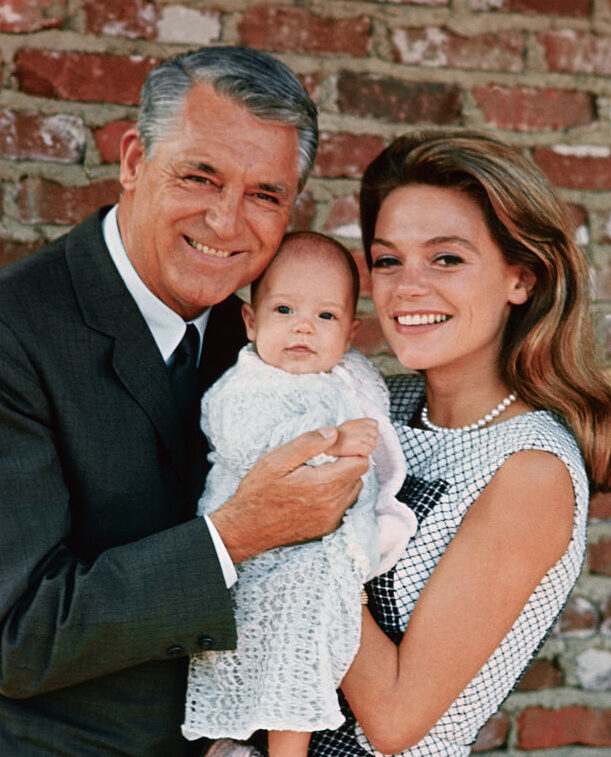
Cannon’s personal life, particularly her relationship with Cary Grant, remains one of the most compelling narratives of Hollywood history. Their marriage, which began when Cannon was 28 and Grant was 61, combined intense public scrutiny with deeply private challenges. Grant, one of Hollywood’s most iconic figures, imposed expectations on Cannon that extended far beyond ordinary marital dynamics, from changing her appearance to controlling aspects of her behavior, career, and daily routines. Though Cannon’s love for Grant was genuine, the relationship ultimately proved stifling, leading to their divorce in 1968 after three tumultuous years. Cannon has spoken candidly about the strain of those years, describing experiences that brought her to the brink of emotional collapse while simultaneously shaping the strength that would define her subsequent life. The marriage also produced their daughter Jennifer, Grant’s only child, a bond that remains central to Cannon’s life and a source of profound joy and continuity.
Despite the heartbreak, Cannon has expressed gratitude for the lessons that her relationship with Grant and her experiences in Hollywood taught her. She reflects on her early struggles with loss of autonomy and identity with clarity, noting that personal happiness often requires boundaries and self-respect, even in the most alluring of circumstances. She turned away from lucrative opportunities to write exposés about her marriage, including offers made after Grant’s death, instead choosing a measured, reflective approach that honored both her experience and the privacy of those involved. Cannon’s journey demonstrates that resilience is not merely enduring pain, but transforming it into understanding, wisdom, and a commitment to living authentically. Her memoir and public reflections convey not just her story, but universal truths about love, compromise, and the necessity of self-care in the face of societal pressures.
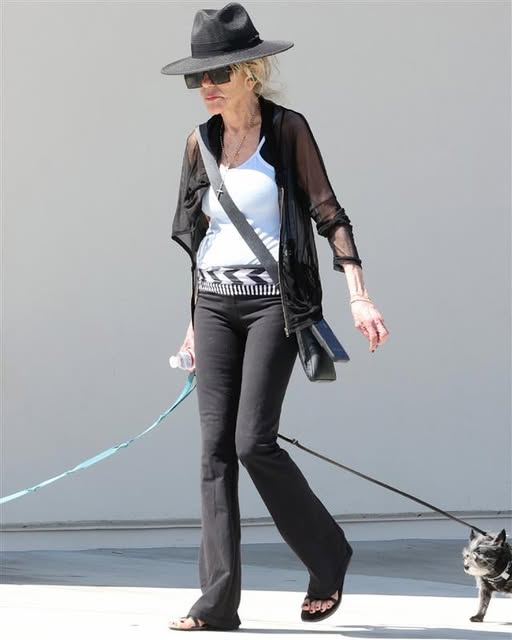
In recent years, Cannon has continued to maintain a presence in the public eye, garnering both admiration and critique as she navigates visibility in her late eighties. Fans and social media commentators frequently comment on her appearance, revealing society’s enduring obsession with youth and beauty, particularly for women. In 2025, at 88, Cannon was photographed walking her dogs in Los Angeles, dressed casually in a white summer blouse, black flared leggings, and a black fedora, prompting reactions ranging from admiration to harsh criticism. Through it all, she remains grounded, attributing her ability to endure public scrutiny and personal challenges to faith. Cannon openly discusses her devotion, describing herself as a “big God girl,” hosting monthly Bible studies and volunteering with recovering addicts, demonstrating a life committed to spiritual and communal engagement beyond the superficialities of fame.
Cannon’s story is not defined solely by her career, her romantic relationships, or public perception; it is also a testament to the quiet, enduring work of building a life of meaning and purpose. By embracing her faith, nurturing her family, and engaging in service to others, she has cultivated fulfillment on her own terms, illustrating the broader truth that resilience is not simply surviving hardship, but transforming it into something that nourishes both oneself and the community around one. Her journey from Hollywood icon to woman of faith and reflection provides a model of grace, showing that the measures of a life well-lived extend far beyond the applause of audiences and the accolades of peers.
Ultimately, Dyan Cannon’s life exemplifies a rare synthesis of glamour, struggle, and spiritual grounding. From her unforgettable performances on screen to her turbulent relationship with one of Hollywood’s most legendary figures, and from raising a daughter to living fully in her late eighties with devotion, purpose, and joy, Cannon has demonstrated that authenticity, courage, and faith are timeless virtues. Her story reminds us that beauty and fame are fleeting, but character, resilience, and the ability to find meaning amidst life’s challenges endure. In a world that often celebrates only surface success, Cannon stands as a testament to the enduring power of grace, reflection, and a life navigated with dignity, compassion, and unwavering self-respect.