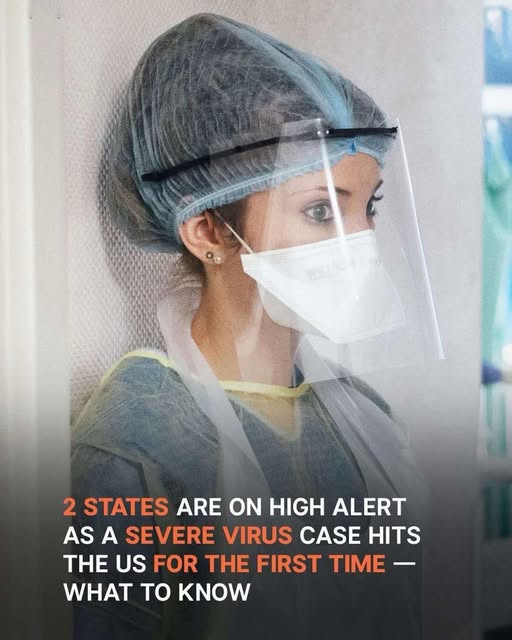
What began as a routine animal health bulletin quietly circulating among veterinarians and agricultural officials soon evolved into a situation demanding national attention, underscoring how quickly familiar systems can be strained when disease crosses species boundaries. The confirmation of a severe human case of H5N1 avian influenza linked to close contact with birds, alongside infections detected in backyard flocks and dairy cattle, exposed vulnerabilities that extend far beyond factory farms and laboratory surveillance. This convergence of human, animal, and environmental health placed public agencies under intense scrutiny, forcing a rapid reassessment of preparedness, communication, and coordination. While the individual patient remained anonymous, the case symbolized a broader reality: modern public health crises are rarely isolated events, but rather complex intersections of daily habits, agricultural practices, and global viral evolution. The situation challenged assumptions that advanced medical systems alone can shield societies from zoonotic threats, highlighting how easily ordinary households and rural communities can become part of a national emergency narrative.
Backyard flocks emerged as a focal point of concern not because they are new, but because they occupy a unique and often underestimated space in the public health landscape. Unlike commercial poultry operations governed by strict biosecurity rules, backyard birds are frequently integrated into family routines, handled without protective gear, and housed in environments open to wildlife exposure. For many families, these birds represent sustainability, tradition, or companionship rather than commerce, blurring the line between domestic life and agricultural risk. This intimacy, however, creates ideal conditions for viral spillover when highly pathogenic avian influenza circulates among wild birds. Public health officials emphasized that while the virus remains primarily an animal disease, close and repeated exposure increases the likelihood of rare but serious human infections. Educational campaigns urging hand hygiene, protective equipment, and prompt reporting of sick birds revealed how prevention depends as much on community behavior as on institutional oversight, reinforcing the idea that biosecurity begins at home.
The detection of H5N1 in dairy cattle expanded the crisis beyond avian populations, unsettling long-held assumptions about the virus’s limits. Dairy farms operate on routines that require prolonged and repeated human–animal contact, from milking to veterinary care, making containment both urgent and delicate. State authorities responded by activating emergency frameworks that allowed faster testing, movement controls, and resource deployment, aiming to prevent further spread while protecting food supply chains. These measures highlighted the economic and emotional toll of outbreak response, as farmers faced uncertainty over herd health, market stability, and public perception. The presence of the virus in cattle also raised pressing scientific questions about viral adaptation and transmission pathways, prompting intensified surveillance and research. While officials reassured the public that the risk from properly handled and pasteurized dairy products remained low, the episode underscored how interconnected agricultural systems are, and how quickly a pathogen can challenge sectors previously considered low-risk.
Coordination among federal, state, and local agencies became a defining feature of the response, illustrating both strengths and stress points within the public health infrastructure. Veterinary services, agricultural departments, and healthcare providers worked to align surveillance, share data, and issue consistent guidance, recognizing that fragmented messaging could erode public trust. Enhanced monitoring targeted those with occupational or household exposure to animals, while hospitals prepared protocols to identify symptoms early and reduce the chance of misdiagnosis. Biosecurity measures intensified across affected regions, including restrictions on animal movement, equipment disinfection, and efforts to limit contact between domestic animals and wildlife. These actions reflected a shift toward a “One Health” approach, acknowledging that human health cannot be separated from animal and environmental conditions. Yet the scale of coordination required also revealed how resource limitations, regional disparities, and public compliance can complicate even well-designed response plans.
Communication emerged as both a tool and a challenge, as authorities sought to balance transparency with reassurance in an environment saturated by rapid information flow. Clear, consistent messaging aimed to counter misinformation that could spread faster than the virus itself, particularly through social media. Officials emphasized that while isolated human cases are serious, there was no evidence of sustained human-to-human transmission, and that the overall risk to the general public remained low. At the same time, communities were urged to remain vigilant, report unusual animal illness promptly, and adhere to safety guidance. This emphasis on shared responsibility highlighted a critical lesson of the outbreak: public health protection relies not only on expert intervention but also on informed, cooperative citizens. Trust, built through honesty and timely updates, proved essential in maintaining calm and encouraging behaviors that reduce risk.
The unfolding H5N1 situation serves as a sobering reminder of how modern societies exist within fragile ecological balances shaped by migration, climate, trade, and human behavior. Backyard flocks, industrial farms, wildlife corridors, and global markets form interconnected pathways through which viruses can move with alarming speed. While emergency declarations and heightened surveillance demonstrate institutional readiness, they also reveal the constant need for investment in prevention, education, and early intervention. Experts stress that vigilance must extend beyond moments of crisis, fostering long-term awareness and resilience within communities that interact daily with animals. As the nation reflects on the lessons of this outbreak, the central message becomes clear: preparedness is not a static achievement but an ongoing process requiring coordination, communication, and collective responsibility. Only by recognizing the shared nature of risk can future public health threats be identified early and contained before they escalate into broader crises.