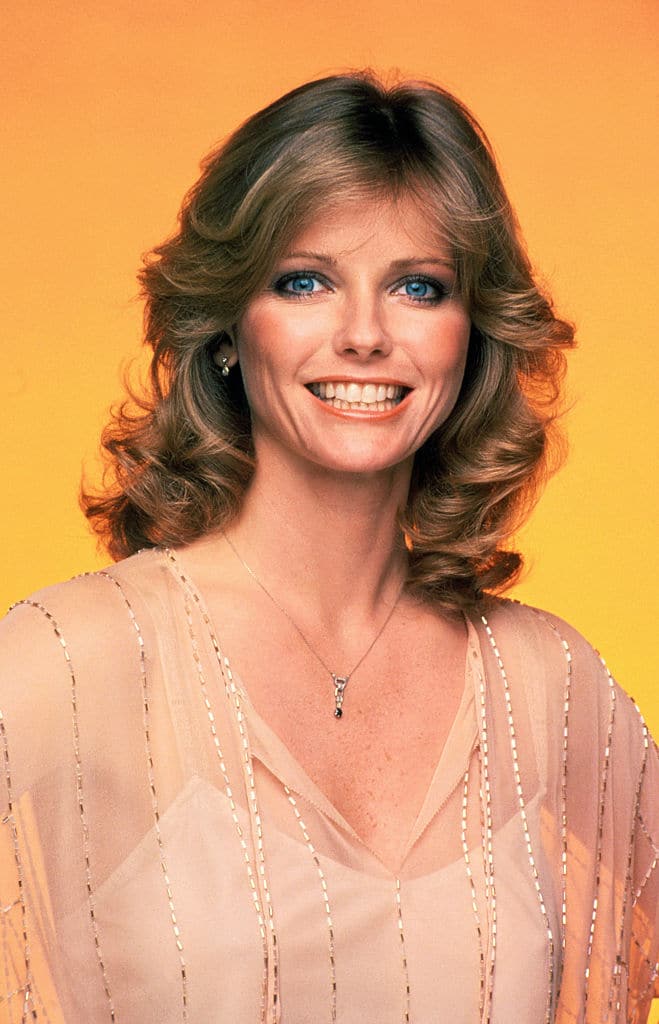
Cheryl Tiegs rose to fame nearly five decades ago, quickly establishing herself as one of America’s very first supermodels and a defining figure in global popular culture. Her iconic pink bikini poster, released over 46 years ago, became emblematic of an era and catapulted her to international recognition almost overnight. Unlike today’s social-media-driven modeling ecosystem, Tiegs emerged in a time when the industry was still nascent, and models existed largely in print and public imagination rather than constant digital exposure. She represented a new type of beauty: athletic, sun-kissed, and effortlessly confident, embodying health, vitality, and a sense of approachability that resonated with millions. Tiegs’s persona combined glamour with relatability, making her a household name and creating a template for what the modern supermodel would eventually become. The pink bikini poster, still widely reproduced and celebrated, remains a symbol of her early impact on fashion, pop culture, and the concept of aspirational beauty in the 1970s.
Her career trajectory was meteoric and multifaceted. Tiegs appeared on the covers of prestigious publications such as Sports Illustrated, Vogue, and Time, capturing attention across industries and continents. Her entry into modeling came almost serendipitously, as she has recounted, with a friend suggesting she possessed the ideal look for the burgeoning fashion market. Early modeling jobs were modest, mostly limited to small shows and regional assignments, but her feature in Glamour magazine at age seventeen accelerated her career dramatically. Over the next two decades, she became synonymous with the Sports Illustrated Swimsuit Issue, appearing multiple times and helping establish the magazine as a cultural phenomenon that merged sport, lifestyle, and glamour. Her distinctive combination of athleticism, poise, and approachable beauty challenged traditional norms and set a precedent for future generations of models, laying the groundwork for a more dynamic and inclusive conception of female allure, even within the commercial framework of fashion.
As her professional influence grew, Tiegs expanded into other creative endeavors while remaining firmly rooted in modeling. In the 1980s, she explored acting, making appearances on television shows such as Moonlighting and Just Shoot Me, as well as cameo roles in films including The Brown Bunny and Sharknado 4. While these roles allowed her to diversify her public persona, modeling remained her primary vocation and the foundation of her enduring cultural relevance. Beyond the runway and screen, Tiegs gradually shifted her focus toward personal fulfillment, family, and social causes that resonated with her values. This evolution mirrored broader changes in the fashion industry, as many models from her era transitioned from purely aesthetic roles to more holistic engagements that incorporated advocacy, entrepreneurship, and lifestyle influence, illustrating the potential for longevity and reinvention within a career often characterized by youth-centric emphasis.
Tiegs’s personal life has been characterized by both public interest and private growth. She experienced multiple marriages and later embraced motherhood, welcoming twin sons via surrogate in 2001, a transformative chapter she has described as deeply meaningful. Alongside her family commitments, Tiegs developed a growing dedication to environmental and conservation advocacy. She has traveled extensively, engaging with ecological challenges firsthand, and has spoken publicly on topics ranging from climate change to habitat preservation. Her engagement reflects a conscious effort to leverage her celebrity platform for substantive social impact, aligning her personal passions with broader societal concerns. This commitment to environmental awareness complements her legacy in fashion by demonstrating that cultural influence can extend beyond aesthetics to tangible advocacy and education, inspiring fans and peers to consider the broader implications of visibility and platform.
Throughout her career, Tiegs has occasionally confronted controversy, often reflecting generational tensions within the modeling and fashion industries. In 2016, she received criticism for remarks regarding the inclusion of plus-size model Ashley Graham on the cover of Sports Illustrated, sparking debate about body image, health, and representation. Tiegs clarified that her comments were intended to emphasize personal health rather than diminish anyone’s beauty, noting in subsequent interviews that her words had been misinterpreted. Such episodes illustrate the complex navigation required of public figures balancing legacy, personal belief, and evolving cultural norms. Tiegs’s handling of criticism, coupled with her willingness to clarify intent and engage constructively, reflects maturity, introspection, and adaptability—qualities that have contributed to her continued relevance and respect within and beyond the fashion community.
Today, at seventy-eight, Cheryl Tiegs remains a figure of inspiration, embodying the convergence of professional achievement, personal fulfillment, and purposeful advocacy. She maintains an active lifestyle through yoga, fitness, balanced nutrition, and social engagement, emphasizing joy, movement, and relationships as central to longevity and contentment. Her enduring appeal lies not merely in her iconic beauty, but in the depth of her experience and her capacity for reinvention. Tiegs continues to represent a bridge between fashion history and contemporary culture, a model of how individuals can leverage fame for personal growth, philanthropy, and public influence. Her journey—from accidental discovery to cultural icon, from runway pioneer to environmental advocate—reflects both the glamour of her era and a forward-looking vision of how sustained impact is cultivated over decades. Cheryl Tiegs’s story illustrates that legacy is not only defined by momentary visibility but by consistent dedication to purpose, values, and the meaningful integration of personal and professional life.