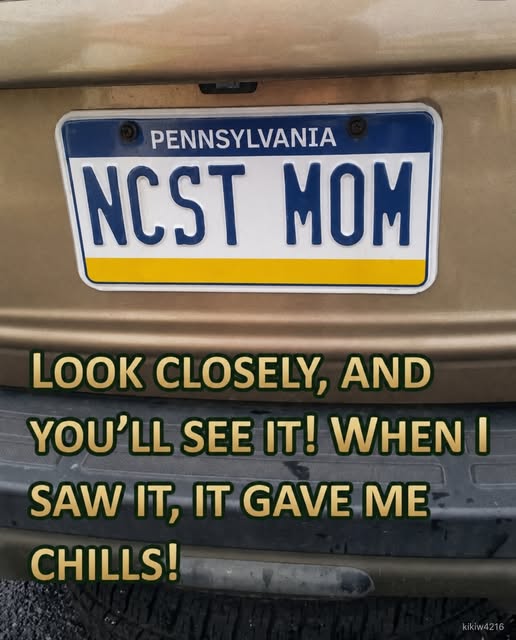
As images of the license plate spread online, reactions quickly intensified. Supporters argued that the message reflected a sentiment shared by many locals who feel increasingly pressured by economic changes beyond their control. They viewed it as satire—an exaggerated expression of frustration over rising housing costs and growing population shifts. Critics, however, interpreted the wording differently, suggesting it promoted exclusion and reinforced negative assumptions about people relocating in search of new opportunities. At a time when migration between states has accelerated, particularly from expensive regions to more affordable areas, tensions can emerge rapidly. Nevada’s population growth has brought significant economic advantages, but it has also highlighted social and financial disparities. The license plate became a symbol onto which people projected broader concerns about displacement, cultural change, and who ultimately shapes the identity of a community.
When the Nevada Department of Motor Vehicles (DMV) decided to recall the plate, the controversy expanded even further. Officials cited concerns that the message could be interpreted as offensive or divisive, emphasizing their responsibility to prevent personalized plates from promoting hostility or discriminatory ideas. Yet the decision produced an unexpected result: it dramatically increased public attention. What might have quietly disappeared instead gained viral momentum. Photos and screenshots circulated widely across social media platforms, triggering discussions far beyond Nevada’s borders. News organizations picked up the story, and debates surrounding free expression and government regulation soon followed. In attempting to resolve the matter discreetly, the DMV unintentionally transformed a local issue into a much larger cultural conversation.
The recall also revived ongoing questions about the limits of personal expression on government-issued property. Vanity plates occupy a unique position in public life. They allow individuals to showcase creativity and personality, but they remain subject to approval by state agencies responsible for regulating public messaging. Across the United States, departments of motor vehicles reject thousands of personalized plate requests every year for reasons ranging from profanity and offensive language to coded meanings considered inappropriate. In Nevada’s case, supporters argued that satire and social commentary should remain acceptable forms of expression. Opponents maintained that public institutions have a responsibility to prevent messages that could alienate or offend specific groups. The debate highlighted how difficult it can be to define the boundary between humor and harm, especially when language carries multiple interpretations.
Beyond issues of speech and regulation, the incident also highlighted broader socioeconomic tensions affecting communities across the country. Nevada has experienced substantial increases in housing costs, particularly in metropolitan areas such as Las Vegas and Reno. As new residents arrive—many bringing higher incomes from out-of-state employment opportunities—local housing markets continue to shift. Longtime residents can sometimes feel increasingly priced out of neighborhoods they once considered affordable and stable. Wage increases have not always kept pace with rising costs, and growing competition for housing can intensify concerns about financial security. Within this environment, even something as small as a license plate can become a focal point for larger frustrations. The controversy revealed how symbols, however ordinary they may appear, can capture deeper emotions connected to economic stability and cultural identity. The plate itself did not create these challenges; rather, it gave visible expression to concerns that had already been developing beneath the surface.
Ultimately, the incident demonstrated how ordinary objects can become flashpoints during periods of rapid social and economic change. A handful of letters on a metal plate sparked conversations surrounding migration, affordability, free expression, and the role of public institutions. The divided reactions reflected a broader national trend in which local disagreements are rapidly amplified through digital platforms. What started as a simple roadside message evolved into a statewide—and eventually national—discussion about identity and belonging. The situation serves as a reminder that humor rarely exists in isolation; it is shaped by context, history, and individual experiences. As communities continue to change and evolve, balancing personal expression with collective responsibility will remain a complex challenge. While the Nevada vanity plate controversy may eventually fade from public attention, the larger questions it revealed—about belonging, decision-making, and adapting to change—are likely to remain relevant for years to come.