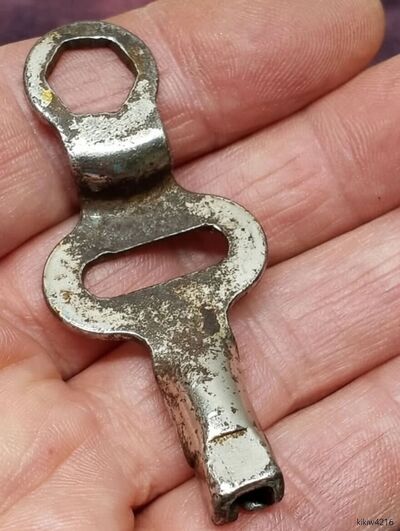
Some objects pass through life unnoticed, while others linger long after their practical use has faded. The roller skate key belongs firmly in the second category. Small, simple, and easy to lose, it was once an essential part of childhood movement and independence. Yet its significance went far beyond mechanics. It quietly shaped how children experienced freedom, responsibility, and the relationship between effort and joy.
Before adjustable plastic skates and instant-fit designs, roller skates were made of metal frames and leather straps. They required constant adjustment to stay secure. The roller skate key was the tool that made that adjustment possible. Without it, the skates were immobile and useless. With it, sidewalks became open space, and everyday streets turned into places of exploration.
A Key That Meant Freedom
For children, the roller skate key was more than a tool—it was access.
It allowed skates to be tightened or loosened, meaning a child could:
- Adjust fit as they grew
- Repair loose wheels or straps
- Prepare independently for skating
That small act of turning the key represented something larger: control over movement and readiness for adventure.
Without asking for help, children could prepare themselves for play. That independence gave the object emotional weight far beyond its size.
The Ritual of Wearing It
One of the most memorable aspects of the skate key was how it was carried.
It was often:
- Hung on a string or shoelace
- Worn around the neck
- Kept close like a personal tool or charm
The faint clinking sound as it rested against the chest became part of the experience. It was a constant reminder that skating was always possible, that adventure was never far away.
This ritual created a sense of readiness. Children weren’t just waiting for fun—they were equipped for it.
Lessons in Responsibility and Awareness
The skate key quietly taught responsibility in a way that felt natural rather than imposed.
To use it well, a child had to:
- Keep track of it
- Remember where it was stored
- Understand how tightly their skates should fit
- Recognize when adjustments were needed
Losing the key meant no skating. That consequence was immediate and personal. There were no backups or replacements on demand.
In this way, a simple object taught a lasting lesson: freedom depends on preparation and care.
Sidewalks as Training Grounds for Life
Once the skates were adjusted, the real learning began.
Neighborhood streets became arenas of discovery:
- Cracked pavement tested balance
- Driveways became practice ramps
- Sidewalk slopes taught control and caution
Every push forward required coordination and patience. Falling was part of the process, not a failure but a step toward improvement.
The skates didn’t glide effortlessly. They demanded effort, and that effort built confidence over time. Children learned that progress came through repetition, not instant success.
Balance, Persistence, and Physical Confidence
Learning to skate with adjustable metal skates was not easy.
Children discovered:
- How to balance their weight
- How to recover from instability
- How persistence leads to smoother movement
The key ensured the equipment stayed secure, but the child had to supply everything else—strength, timing, and courage.
Over time, what began as wobbling steps turned into long, steady glides. That transformation created a deep sense of earned accomplishment.
Emotional Weight and Symbolic Meaning
The roller skate key often carried emotional significance beyond its function.
Losing it could feel like a small crisis—play was suddenly impossible. Finding it again brought relief and excitement. These emotional swings, tied to a tiny object, reflected early experiences of responsibility and consequence.
It became a symbol of:
- Readiness
- Independence
- Trust in one’s ability to manage tools and choices
In hindsight, it also mirrored the rhythms of growing up: small responsibilities leading to larger freedoms.
A Forgotten Object That Still Holds Memory
Rediscovering a roller skate key today often triggers vivid recollection.
Even without the skates themselves, the memories return:
- Warm asphalt under wheels
- The rhythm of rolling over uneven ground
- Scraped knees and quick recoveries
- Laughter echoing through neighborhoods
These sensations feel more vivid than many modern experiences because they were physical, uncertain, and earned through effort.
The key becomes a kind of memory trigger—small in size but dense with meaning.
A Contrast to Modern Convenience
In today’s world, many childhood tools require little effort:
- Adjustable skates
- Instant-fit shoes
- Digital entertainment
- Pre-structured activities
The roller skate key represents a different philosophy—one where effort preceded enjoyment.
Nothing was automatic. Everything required adjustment, attention, and care.
That delay between intention and experience made the reward feel more meaningful.
The Quiet Legacy of the Skate Key
Although no longer needed for modern skates, the roller skate key still carries symbolic weight.
It represents:
- Independence built through small responsibilities
- Joy earned through effort
- Confidence developed through repetition
- Freedom made possible by preparation
It is a reminder that some of the most meaningful childhood experiences were not designed for convenience, but for growth.
Conclusion: A Small Object With a Lasting Lesson
The roller skate key may be physically small, but its impact on memory and meaning is large.
It once unlocked metal skates, but more importantly, it unlocked:
- Confidence through practice
- Independence through responsibility
- Joy through effort
- Freedom through preparation
Today, it lives mostly in memory, yet its lessons remain relevant. It reminds us that meaningful experiences are often not immediate or effortless—they are built, adjusted, and earned.
And sometimes, the simplest object in a child’s pocket can quietly shape how they understand balance, both on the pavement and in life itself.